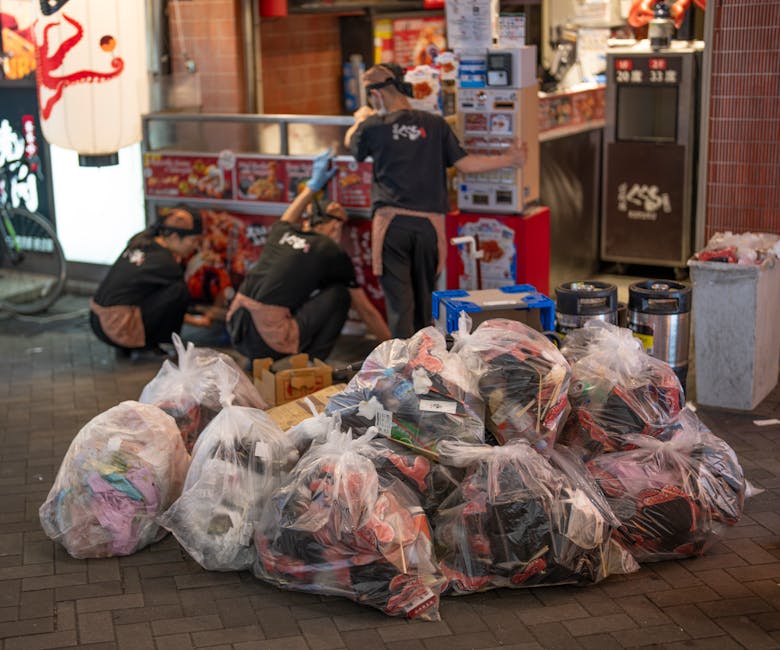
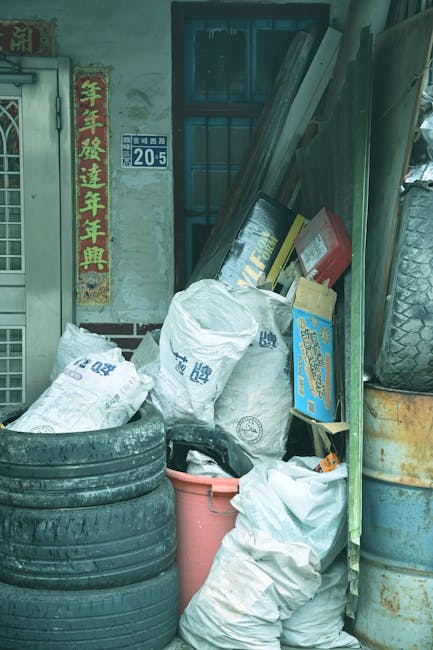
Silk Street rubbish removal: fast clearance in EC2Y
If you need Silk Street rubbish removal in EC2Y, speed matters. A pile of office waste, broken furniture, bagged household rubbish, or leftover building debris can quickly get in the way of trading, moving, or simply keeping a property usable. The good news is that fast clearance does not have to mean careless clearance. Done properly, it should be efficient, tidy, and planned around access, loading time, and the type of waste involved.
This guide explains how rubbish removal on Silk Street typically works, what makes a fast clearance genuinely fast, who benefits most, and how to avoid the common mistakes that slow everything down. You will also find practical steps, a useful checklist, and clear guidance on compliance and choosing the right service for EC2Y properties.
Table of Contents
- Why Silk Street rubbish removal in EC2Y matters
- How Silk Street rubbish removal works
- Key benefits and practical advantages
- Who this is for and when it makes sense
- Step-by-step guidance
- Expert tips for better results
- Common mistakes to avoid
- Tools, resources and recommendations
- Law, compliance, standards and best practice
- Options, methods, or comparison table
- Case study or real-world example
- Practical checklist
- Conclusion
- Frequently asked questions
Why Silk Street rubbish removal in EC2Y matters
Silk Street sits in a busy part of the City fringe, where access, timing, and presentation all matter. That changes the way rubbish clearance needs to be handled. A simple skip-and-wait approach is not always the smartest option, especially where there is limited kerb space, mixed-use buildings, or a need to keep entrances clear for staff, residents, or visitors.
Fast rubbish removal matters for three practical reasons. First, it reduces disruption. Second, it lowers the risk of waste building up into a larger job. Third, it helps you keep on top of landlord requirements, office housekeeping, fire safety expectations, and general property standards. For many businesses and residents, a prompt clearance is less about convenience and more about keeping the space working as it should.
There is also a presentability issue. In a district like EC2Y, clutter can make a property look neglected very quickly. Whether it is packaging from a refurbishment, old office chairs, or a flat full of unwanted items, fast removal helps restore order before the mess starts affecting daily use. If you want a broader service overview, the main waste removal service is a useful starting point, while larger domestic jobs may be better matched to a home clearance or house clearance.
Key takeaway: the best rubbish removal in EC2Y is not just quick; it is organised around access, waste type, and safe loading so the job finishes cleanly the first time.
How Silk Street rubbish removal works
In most cases, rubbish removal follows a simple but important workflow. The exact steps vary depending on whether you are clearing an office, a flat, a storage area, or mixed waste from a refurbishment. Still, the structure is usually the same: assess, quote, arrive, load, sweep through, and dispose of waste responsibly.
For a local EC2Y clearance, the first stage is usually a quick description of what needs removing. Good information saves time. A pile of bagged general waste is very different from bulky furniture, glass, hard-core, or electrical items. It also matters whether the items are on a top floor, in a basement, or behind restricted access. If you have a more specialist job, such as disposing of worn-out desks, chairs, or archive cabinets, a dedicated office clearance service may fit better than a general uplift.
On the day, the team should arrive with the right vehicle and the manpower needed to move items efficiently. That is what makes a clearance genuinely fast: not rushing, but being ready. The better organised the load-out, the less time is lost carrying items back and forth. For awkward access, such as a narrow stairwell or a courtyard entrance, planning is often the difference between a smooth job and a frustrating one.
After loading, the area should be left tidy. That does not mean deep cleaning, but it should mean the obvious debris is gone and the space is safe to use again. If the waste is being diverted for reuse or recycling, you should also expect it to be sorted appropriately. That is where services with a stronger recycling focus tend to stand out, especially for mixed domestic and business rubbish.
Key benefits and practical advantages
Fast clearance brings obvious time savings, but there are several less obvious benefits too. The right service can reduce stress, simplify logistics, and make property management easier. That matters whether you are preparing for a move, making space for work, or clearing up after contractors.
- Speed: a well-planned team can remove bulky and bagged waste in one visit.
- Less disruption: you avoid the hassle of storing rubbish for days or weeks.
- Better presentation: a clear space looks more professional and feels easier to use.
- Safer movement: fewer trip hazards, blocked routes, or overloaded corners.
- Flexible for mixed waste: useful when rubbish, furniture, and packaging are all involved.
- Potentially more practical than DIY: no need to arrange your own transport or spend half the day queueing at a disposal site.
One practical advantage people often overlook is coordination. If you are juggling contractors, a landlord inspection, or a move-out deadline, the difference between "soon" and "same day" can be huge. In those situations, a local team that understands EC2Y access realities can save more time than the job itself seems to suggest.
For bulky items specifically, you may also want to explore furniture clearance or furniture disposal options if sofas, desks, shelving, or cabinets are part of the load. If the job is more like an all-round property reset, a broader flat clearance can be the smarter route.
Who this is for and when it makes sense
Silk Street rubbish removal is useful for a wide range of people. Some are dealing with a one-off problem. Others need regular, dependable support. The common thread is that they need waste gone quickly and without unnecessary friction.
Typical situations include:
- Offices: outdated desks, packing waste, archived materials, and refurbishment debris.
- Flat owners and tenants: end-of-tenancy items, old furniture, box clutter, and general household rubbish.
- Landlords and agents: clearance between occupancies or after a tenant move-out.
- Facilities and building managers: post-maintenance waste, storage clear-outs, and ad hoc removals.
- Tradespeople: leftover materials after works, especially when the job needs tidying before handover.
- Local businesses: packaging, shopfit waste, and old stock that needs to go without delay.
It also makes sense when a space has started to drift from "tidy" into "tolerable but annoying." Truth be told, that is when jobs tend to become more expensive and more awkward. Waste tends to spread. Once one corner is full, the next flat surface starts filling too. A quick response stops the problem from becoming a bigger one.
If your situation involves renovation debris or broken materials, a builders waste clearance is usually the best-fit route. For a workplace that needs a proper reset, a specialised business waste removal service can be more efficient than piecemeal disposal.
Step-by-step guidance
If you want a clearance to run smoothly, a little preparation goes a long way. Here is a practical process you can follow before booking and on the day itself.
- Identify the waste type. Separate general rubbish, furniture, electrical items, and construction waste where possible.
- Estimate the volume. Think in terms of bags, bulky items, or room-by-room piles rather than trying to guess every detail.
- Check access. Note stairs, lifts, parking restrictions, and any narrow entry points.
- Flag special items. Highlight anything heavy, fragile, or awkward to move.
- Ask about sorting and recycling. This helps you understand how the waste will be handled.
- Confirm timing. If you need a fast turnaround, make that clear early.
- Clear a route. Move small obstructions so the team can load safely and quickly.
A small amount of preparation can shorten the visit dramatically. For example, if you have three rooms of mixed clutter, grouping similar items together helps the team load efficiently and reduces the chance of missed items. It is a simple step, but it matters.
If the job involves a loft, garage, or outside storage area, it may be worth considering a more targeted service such as loft clearance or garage clearance. Those spaces often hide more than people expect.
Expert tips for better results
A fast clearance is easier when you think like the crew. In our experience, the most efficient jobs are the ones where the client has made the decision points obvious in advance. That means no last-minute "oh, and can you take this too?" surprises halfway through the load.
- Separate keep, donate, and remove items before the team arrives. This avoids confusion and protects anything you still want.
- Take photos of large loads when requesting a quote. Visuals help with accuracy and reduce back-and-forth.
- Tell the team about parking or loading restrictions. EC2Y access can be straightforward in one street and tricky in the next.
- Be honest about weight and item condition. Wet waste, damaged materials, and heavy items change the job.
- Ask how mixed waste will be handled. A good clearance provider should be able to explain sorting and disposal in plain language.
Another useful habit is to plan the clearance around your day, not the other way around. If you are moving office contents, for instance, arrange the clearance after you have removed anything sensitive, valuable, or confidential. That sounds obvious, but it is one of the most common oversights.
For people who want to compare service depth and operational clarity, reviewing the provider's approach to recycling and sustainability can be helpful. It often tells you more than a marketing line ever will.
Common mistakes to avoid
Most delays and frustrations come from a small set of avoidable mistakes. The good news is that they are easy to sidestep once you know what to watch for.
- Underestimating the volume: a small-looking pile can become a substantial load once it is gathered and stacked.
- Not mentioning access issues: stairs, narrow doorways, or no-parking zones can change the plan entirely.
- Mixing restricted items with general waste: some items need separate handling, so flag them early.
- Leaving key items unlabelled: especially important for flats, offices, and shared storage spaces.
- Booking too late: if you have a move-out date or inspection deadline, leave buffer time.
- Assuming every clearance is the same: office waste, domestic clutter, and builders' debris are different jobs.
There is also a subtle mistake that people make all the time: they focus only on price and ignore practicality. The cheapest option is not always the quickest or least disruptive, especially where access is tricky. A slightly better-organised service can save you time, stress, and repeat visits.
Tools, resources and recommendations
You do not need a toolkit to organise rubbish removal, but a few simple tools and resources make the process easier. Think less "DIY project" and more "good preparation."
| Tool or resource | Why it helps | Best used for |
|---|---|---|
| Camera phone | Provides clear photos for quoting and planning | Mixed loads, bulky items, awkward access |
| Sticky notes or labels | Marks items to keep, donate, or remove | Flats, offices, shared spaces |
| Measuring tape | Helps confirm whether large items will fit through access points | Furniture, storage areas, lofts |
| Lift or parking notes | Speeds up loading plans and reduces guesswork | EC2Y buildings with limited access |
| Provider service pages | Helps you match the job to the right type of clearance | All property and waste types |
For more targeted needs, the following service pages can help you match the job to the right format: furniture disposal, office clearance, and general waste removal. If you are researching the provider itself, the about us page is also worth a look because it helps set expectations before you book.
Law, compliance, standards, and best practice
Rubbish removal is not just a transport task; it is part of a wider duty to handle waste properly. In the UK, waste should be collected, moved, and disposed of responsibly by anyone operating a clearance service. That means using sensible handling methods, separating suitable materials for recycling where possible, and avoiding fly-tipping or careless disposal.
For readers in EC2Y, the practical takeaway is simple: do not hand waste to someone who cannot explain where it goes or how it is managed. You do not need a lecture on regulations, but you do need confidence that the job is being handled lawfully and safely. That is especially true if the load includes business waste, construction debris, or items that may require special care.
Good practice also includes clear communication about insurance, safety procedures, and payment terms. If you are booking a provider for a workplace, landlord job, or property management project, it is sensible to review their health and safety policy, insurance and safety information, and terms and conditions. Those pages are not just formality; they help you understand how the work is controlled and what the service covers.
Payment and data handling also matter. If you are dealing with a booking online, it is reasonable to check the provider's payment and security information and, if you are comparing quotes, their pricing and quotes guidance. Clear pricing is a good sign. Confusing pricing usually is not.
Options, methods, or comparison table
Not every clearance job needs the same solution. Some are best handled as a single local uplift. Others are better suited to a more structured property clearance. This comparison should help you decide what fits your situation.
| Method | Best for | Pros | Watch-outs |
|---|---|---|---|
| General rubbish removal | Bagged waste, mixed household clutter, small office jobs | Quick, flexible, straightforward | May not suit very bulky or specialist waste |
| Furniture clearance | Sofas, desks, tables, cabinets | Ideal for heavy or awkward items | Access needs to be checked carefully |
| Office clearance | Workstations, filing units, surplus office contents | Better for larger commercial jobs | Confidential or sensitive items need planning |
| Builders waste clearance | Renovation leftovers, rubble, packaging, timber | Suited to post-project clean-up | Waste type and weight need accurate description |
| Flat or house clearance | Whole-property clearances, move-outs, inherited contents | Most efficient for larger domestic jobs | Can take longer if items are dispersed across rooms |
If you are unsure which method fits best, start with the simpler question: what is actually being removed? That usually points you toward the right service more reliably than guessing by property type alone.
Case study or real-world example
Consider a common EC2Y scenario: a small office on Silk Street has just finished a light refit. There are dismantled shelves, a few outdated desks, packaging materials, and several sacks of mixed rubbish. The business needs the space ready before the next working day, and access is limited to a short loading window.
In that situation, the best outcome comes from preparation. The office team separates confidential documents first, identifies the heavier furniture, and sends photos in advance. The clearance team arrives with enough labour to move the bulky items quickly, loads the waste in one organised pass, and leaves the area clear for the next phase of work. No drama. No repeated trips. Just a fast, tidy finish.
What made the difference was not luck. It was a clear brief, realistic expectations, and a service matched to the job. The same principle applies to flats, managed properties, and small refurbishments. If the waste is described accurately up front, the clearance runs much more smoothly.
Practical checklist
Use this checklist before your booking to keep the process fast and straightforward.
- Identify the waste type: general rubbish, furniture, builders' waste, office contents, or mixed items.
- Take a quick photo set of the items and access route.
- Measure any large furniture or awkward gaps if space is tight.
- Check whether there are stairs, lifts, parking restrictions, or loading windows.
- Separate anything you want to keep before the team arrives.
- Flag fragile, heavy, or unusually bulky items in advance.
- Ask how the waste will be handled, sorted, or recycled.
- Review pricing, payment, and service terms before confirming.
- Make sure the route to the load area is clear.
- Confirm the date and time, then keep a contact number handy on the day.
That is usually enough to turn a potentially awkward job into a simple one.
Conclusion
Silk Street rubbish removal in EC2Y works best when speed and planning go hand in hand. The right provider should remove waste quickly, treat access carefully, and leave the space in a clean, workable state. Whether you are clearing a flat, office, storage area, or post-refurbishment mess, the aim is the same: reduce disruption and get the space back under control.
The smartest next step is to match the job to the right service, prepare a few photos, and be clear about access and waste type. That alone can make the entire process faster and less stressful. If you need help with a wider property or business clearance, the supporting service pages on Office Clearance Alperton can help you choose the most suitable option.
Get a free quote today and see how much you can save.
Frequently Asked Questions
What does rubbish removal on Silk Street usually include?
It can include general household rubbish, furniture, office items, packaging, and some types of builders' waste. The exact scope depends on the provider and the waste type, so it is best to describe the load clearly before booking.
Can rubbish be cleared quickly in EC2Y?
Yes, in many cases it can. Fast clearance depends on access, item type, volume, and how well the job is prepared. The clearer the information you give upfront, the easier it is to arrange a quick visit.
Is office rubbish different from household rubbish?
Often, yes. Office waste may include desks, chairs, filing cabinets, packaging, archive materials, and items that need careful handling. A dedicated office clearance service is usually better suited to that kind of job.
What if I have bulky furniture to remove?
Bulky items are common, but they need proper handling and access planning. Furniture clearance or furniture disposal is often the most practical option if the load includes sofas, tables, wardrobes, or cabinets.
Do I need to sort everything before the clearance?
No, not always. But separating keep items from remove items helps a lot. If you can also group similar waste together, the job is usually quicker and less likely to cause confusion.
How do I know if I need builders' waste clearance?
If the waste comes from renovation, repair, or light construction work, builders' waste clearance is usually the right fit. That might include timber, packaging, plasterboard, rubble, or mixed post-project debris.
What should I check before booking a waste removal service?
Check the provider's service scope, access requirements, pricing approach, and safety information. It is also sensible to review terms and conditions so you know what is included and how the booking is handled.
Is recycling part of rubbish removal?
It often is, depending on the material. Responsible providers should separate recyclable items where practical and handle waste in line with standard UK expectations for lawful disposal and environmental care.
What if the property has difficult access?
Tell the provider in advance. Stairs, lifts, no-parking zones, or narrow entrances can affect timing and the number of people needed. Good planning helps avoid delays on the day.
Can a clearance be done for a flat, not just an office?
Absolutely. Flat clearance is a common request, especially for move-outs, end-of-tenancy situations, and general decluttering. The main difference is usually the access and the mix of items.
How do pricing and quotes usually work?
Quotes are typically based on the type of waste, volume, access, and labour required. Transparent pricing is ideal because it helps you compare options without guessing at hidden extras.
Are health and safety matters important for a simple rubbish removal job?
Yes. Even a small clearance can involve lifting risks, trip hazards, and awkward loads. A professional approach should include sensible handling, suitable equipment, and a clear process for moving items safely.
What is the best next step if I need fast clearance on Silk Street?
Gather a few photos, note the access details, and request a quote with as much clarity as possible. That gives you the best chance of getting a quick, accurate, and efficient service.