Remove DIY renovation rubble near EC2Y without fines
If you have bags of broken plasterboard, old tiles, timber offcuts, and that awkward pile of renovation waste sitting by the front door, you are not alone. In EC2Y, space is tight, access is often awkward, and the wrong move can turn a simple clear-up into a fine, a blocked pavement complaint, or a last-minute scramble. The good news? You can remove DIY renovation rubble near EC2Y without fines if you plan it properly and use the right disposal route from the start.
This guide walks you through what counts as renovation rubble, why fines happen, how to avoid them, and what to do step by step so the job gets done cleanly and legally. Whether you are clearing after a kitchen refresh, knocking out a bathroom, or just dealing with a few weekend DIY surprises, the aim is the same: keep it tidy, keep it compliant, and keep it moving.
And let's be honest, nobody wants to spend their Sunday trying to work out where a plasterboard sack can legally go. So let's make it straightforward.
Table of Contents
- Why it matters
- How the process works
- Key benefits and practical advantages
- Who this is for and when it makes sense
- Step-by-step guidance
- Expert tips for better results
- Common mistakes to avoid
- Tools, resources and recommendations
- Law, compliance, standards, or best practice
- Options, methods, or comparison table
- Case study or real-world example
- Practical checklist
- Conclusion
- Frequently asked questions
Why Remove DIY renovation rubble near EC2Y without fines Matters
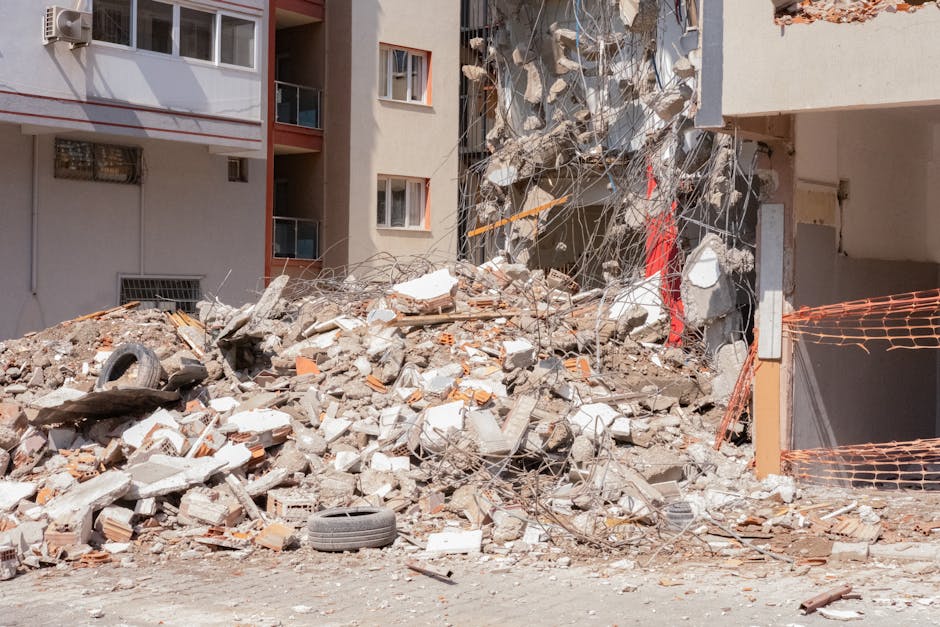
Renovation rubble is not just "rubbish". In practice, it can include heavy, dusty, mixed waste that needs the right handling: bricks, plaster, tiles, broken ceramics, soil, wood, metal, packaging, and sometimes awkward items like kitchen units or bathroom fittings. If you dispose of it carelessly, the consequences can be more than a messy pavement.
Near EC2Y, the local context matters. Streets can be narrow. Parking is often limited. Loading can be time-sensitive. A pile of rubble left outside at the wrong time can attract complaints quickly, and a poorly arranged collection can obstruct pedestrians or neighbours. To be fair, the City environment does not leave much room for "we'll deal with it later."
There is also the legal and practical side. Waste must be handled responsibly, and if a waste carrier or clearance service is used, you want to know it is legitimate and capable of documenting the disposal route. If not, you could end up with the headache of proving you did the right thing after someone else dumped the waste elsewhere. Not fun. Not worth it.
For a broader look at responsible disposal and collection options, it can help to review rubbish collection services and how they fit different project sizes. If you are trying to clear a property efficiently, a dedicated house clearance approach may also be useful when rubble is just one part of a larger clear-out.
Expert summary: The safest way to avoid fines is simple: sort the waste properly, use a compliant removal route, and do not leave rubble on the street, pavement, or communal areas without permission and timing sorted out first.
How Remove DIY renovation rubble near EC2Y without fines Works
The process is less mysterious than people think. You identify the waste, separate it where possible, choose the right removal method, and make sure everything is transported and disposed of legally. The key is not speed on its own, but control.
For a small home project, that might mean bagging rubble into manageable loads and arranging a collection that can take mixed construction waste. For a larger refurbishment, it may involve a skip, a wait-and-load service, or multiple clearances timed around access and building rules. Each option has trade-offs.
Here is the practical reality: rubble is heavy, dust can spread, and mixed waste becomes more expensive or more difficult to handle if you do not sort it first. A bag of broken tiles is one thing. A bag containing tiles, paint tins, insulation, wood, and leftover bathroom products is another. The second one often causes delays or extra charges.
If you are working with an interior refit, it can also help to think about the wider waste stream. Sometimes the rubble is only part of the story; cardboard, packaging, old furniture, and fixtures all add up. In those cases, a service like general junk removal may be a better fit than trying to handle each material separately in a rush.
One useful rule of thumb: the more awkward the access, the more planning pays off. A basement flat, a top-floor walk-up, or a building with strict loading windows can turn a simple job into a small logistical puzzle. Nothing impossible. Just worth doing properly.
Key Benefits and Practical Advantages
Removing renovation rubble correctly is not just about avoiding penalties. It makes the whole project run better. A tidy site is easier to work in, safer to walk through, and much less stressful at the end of a long day when the dust is still hanging in the air.
- Reduced compliance risk: Proper disposal lowers the chance of fly-tipping issues, obstruction complaints, or problems with waste documentation.
- Cleaner work area: Clearing rubble early gives you better access to the next stage of the job.
- Safer handling: Broken materials can cut, trip, or puncture bags if left unmanaged.
- Better neighbour relations: Less mess outside means fewer complaints and less tension in shared spaces.
- More predictable costs: Sorting waste properly usually leads to smoother pricing than leaving everything mixed.
- Less stress: Honestly, knowing the rubble is sorted and gone feels like a weight off your shoulders.
There is also a subtle benefit people miss: decision clarity. Once the rubble is handled, you can see what is left. That matters when you are trying to estimate the next phase of work, whether that is plastering, flooring, or simply handing the flat back in decent shape.
If your project has already grown beyond a basic clear-out, a more structured builders waste disposal approach may be the most practical route. It is often the difference between a messy end to a job and a clean handover.
Who This Is For and When It Makes Sense
This is for anyone in or near EC2Y who has renovation debris and wants it removed legally, efficiently, and without creating a headache. That includes homeowners, landlords, tenants with permission, small developers, office fit-out teams, and tradespeople clearing a domestic job.
It makes sense when you have any of the following:
- broken tiles, masonry, bricks, or plasterboard
- timber, skirting, doors, or joinery offcuts
- kitchen or bathroom rip-out waste
- mixed bags of renovation debris after a weekend project
- limited access and no room for long-term storage
- a need to keep communal areas or pavements clear
It is especially useful in shared buildings. If you are dealing with stairwells, service yards, or managed access points, leaving rubble "just for a bit" can become a real problem very quickly. People notice. Building managers notice. And, yes, fines can follow if waste is dumped or left where it should not be.
Some jobs also need a little judgement. If the rubble is only a few lightweight bags, a smaller collection may do the trick. If you have soaked materials, heavy stone, or mixed demolition waste, it may be better to arrange a more comprehensive service rather than trying to move it piecemeal. That saves time and, usually, back pain too. A small mercy.
Step-by-Step Guidance
Here is a simple, practical sequence you can follow to remove DIY renovation rubble near EC2Y without fines.
- Identify the waste type. Separate rubble from general household rubbish. Construction debris often needs different handling from day-to-day waste.
- Sort what you can. Keep heavy rubble, recyclable materials, wood, metal, and general junk in separate piles or bags if possible.
- Check access and timing. Think about where the vehicle can stop, how the waste will be carried out, and whether there are loading restrictions.
- Choose the right removal method. Use a service that matches the size and type of waste. A single-bag pickup is not the same as a full clear-out.
- Avoid leaving waste outside. Do not place rubble on the pavement, in a shared hallway, or by a bin store unless it is arranged and permitted.
- Keep records if needed. For bigger jobs, ask for written confirmation or a waste transfer note where appropriate.
- Schedule the removal before the mess builds up. Waiting too long often makes the job larger, more expensive, and more frustrating.
A small example helps here. Suppose you have pulled up old kitchen tiles and chipped plaster from one wall. If you bag that material as you go, you can arrange a collection before the pile spreads into the corridor. If you do not, the rubble becomes part of the furniture. Not ideal.
For mixed clear-outs, some people also combine rubble removal with broader waste services. If you are stripping out fittings and old contents together, looking at furniture disposal can be useful so you are not juggling separate disposal plans at the last minute.
Expert Tips for Better Results
In our experience, the difference between a smooth job and a messy one often comes down to small decisions made early. Nothing dramatic. Just sensible prep.
- Use strong sacks or rubble bags. Cheap bags split at the worst time. Usually near the stairs. Naturally.
- Do not overfill. Heavy waste should stay liftable and manageable. One bag too heavy can slow the whole job.
- Keep dusty materials contained. Seal bags properly and avoid dragging them through clean areas if you can help it.
- Take photos before collection. This can help if access or volume needs to be clarified later.
- Plan for the awkward items first. Large broken pieces, metal bars, or sharp offcuts should be dealt with early.
- Ask about mixed waste rules. Mixed construction and domestic waste can change the handling process, so it is worth checking before the collection day.
Another small but useful point: if you are in a managed building, let the relevant person know what time the collection will happen. A quick heads-up can save a frustrating message later about blocked access or noisy lifting in the stairwell. Simple courtesy goes a long way.
And if you are not sure whether a pile counts as renovation rubble, general junk, or both, do not guess wildly. A quick check is better than a bad assumption. That is just common sense, really.
Common Mistakes to Avoid
Most problems come from rushing. A few come from optimism. "It'll be fine if I leave it there overnight" is one of those phrases that has caused more hassle than people realise.
- Leaving rubble on the street without permission or outside agreed collection times.
- Mixing hazardous items in with inert rubble, such as paint tins, chemicals, or unknown materials.
- Overloading bags until they split in the hallway or on the pavement.
- Assuming all waste can go in the same container without checking the rules.
- Ignoring access limits such as narrow entrances, restricted parking, or building management conditions.
- Using an unverified waste carrier and hoping for the best. Not a strategy, truth be told.
Another common issue is underestimating how much waste a small DIY job can produce. A single room can throw up far more material than expected once plaster, tile adhesive, packaging, and broken fixtures are all added together. It has a funny way of multiplying.
If your project includes soft items as well as hard debris, a combined service may be more efficient than trying to separate everything yourself. For example, a larger property clearance approach can help when rubble is just one part of a fuller renovation clear-out.
Tools, Resources and Recommendations
You do not need a van-load of specialist gear to manage renovation rubble well, but a few practical tools make life easier.
- Heavy-duty rubble bags: Better for broken masonry, tiles, and plaster fragments than thin general waste bags.
- Work gloves: Helpful for sharp edges, splinters, and rough concrete.
- Dust sheets or tarps: Useful if you are moving waste through a clean interior route.
- Broom and shovel: For collecting fine debris before it spreads.
- Marker labels: Handy if you want to keep rubble, metal, wood, and general junk separate.
From a service point of view, the most useful options are usually the ones that match the volume and access conditions of your job. If the waste is concentrated and easily carried out, a fast collection may be enough. If the job includes more than just rubble, it may be worth looking at a broader same day waste collection option so the site does not sit cluttered for days.
For awkward or urgent clearances, the right service is not always the cheapest on paper. But if it saves time, avoids repeat handling, and reduces the risk of disposal mistakes, it can still be the better value. That balance matters.
Law, Compliance, Standards, or Best Practice
Without pretending to be a legal textbook, the safest position is this: DIY renovation rubble should be managed as waste that must be stored, transported, and disposed of responsibly. If you are using a third party, make sure they are properly equipped and authorised for the type of waste they are handling. If you are doing it yourself, take care not to create obstructions, nuisance, or illegal dumping.
In practical terms, best practice usually includes:
- keeping waste on private property until collection is arranged where possible
- avoiding pavements, doorways, and communal access points
- separating rubble from hazardous or unknown materials
- using a waste carrier or collection service that can explain how the waste will be handled
- keeping simple records for larger jobs, especially if you are a landlord, contractor, or property manager
Local rules and building management arrangements can vary, especially in central London environments like EC2Y. So if a job is borderline, ask first. A quick check with the building manager or the service provider can prevent a lot of faff later on.
Also, if you are handling anything with possible contamination, asbestos suspicion, or hazardous components, stop and seek appropriate specialist advice. Do not treat unknown waste as ordinary rubble. That is one of those cases where caution is not optional.
Options, Methods, or Comparison Table
Choosing the right method depends on waste volume, access, time pressure, and how mixed the material is. Here is a straightforward comparison.
| Method | Best for | Pros | Trade-offs |
|---|---|---|---|
| Self-haul to a facility | Small, manageable loads | Direct control, can suit very small jobs | Requires transport, lifting, time, and proper sorting |
| Skip hire | Medium to larger projects with space | Convenient for ongoing work | Needs space and may not suit tight EC2Y access |
| Wait-and-load collection | Tight streets or limited parking | Fast, ideal where a container cannot stay put | Requires good timing and waste ready to go |
| Full waste removal service | Mixed renovation debris or larger clear-outs | Takes the pressure off, especially with access issues | Needs proper description of waste and site conditions |
For EC2Y specifically, wait-and-load or a structured collection is often the most realistic choice when road space is limited. A skip can work in some situations, but only if the site and permissions genuinely suit it. The wrong option usually creates more stress than it solves. Simple as that.
Case Study or Real-World Example
Consider a small flat refurbishment near EC2Y where the owner has stripped out an old bathroom over a weekend. By Sunday evening there are broken tiles, a basin, a small amount of plaster, timber offcuts, and a few bags of dust and packaging. Nothing extreme, but enough to become a nuisance quickly.
Instead of leaving the rubble in the hallway or trying to squeeze it into multiple general bins, the owner sorts the waste into separate bags, keeps the heavier debris together, and arranges a collection for the next available slot. The access point is tight, so the team plans the route in advance and loads everything in one visit. The result is a clean stairwell, no blocked entrance, and no awkward complaint from neighbours about a pile sitting around all afternoon.
What made that work was not luck. It was timing, sorting, and using a method that matched the space available. If the owner had left the rubble outside "just for a minute," it could have turned into a different story entirely.
That is the pattern you see again and again in central London. The jobs go better when the waste plan is made at the same time as the renovation plan. Bit dull, perhaps. Very effective, though.
Practical Checklist
Use this quick checklist before you arrange removal.
- Have I identified all the renovation rubble and separated it from general rubbish?
- Are any items potentially hazardous, wet, sharp, or unknown?
- Do I know where the waste will be stored before collection?
- Is access clear for moving the waste out safely?
- Have I checked building rules, loading restrictions, or timing limits?
- Have I chosen a removal method that suits the volume and access?
- Are bags strong enough and not overfilled?
- Do I need written confirmation or records for the collection?
- Will the waste be removed before it becomes a nuisance?
- Have I arranged everything so I do not need a second round of lifting?
If you can tick most of those off, you are in a good place. If not, pause and tidy the plan first. It usually saves time in the end.
Conclusion
To remove DIY renovation rubble near EC2Y without fines, the big idea is not complicated: sort the waste, avoid leaving it in the wrong place, use the right removal method, and keep an eye on access and compliance. The more central and restricted the location, the more planning matters. That is especially true in EC2Y, where a small pile can become a bigger issue than you expected.
When you handle it properly, the whole project feels calmer. The site looks better, the neighbours stay happier, and you can get on with the next stage without tripping over a pile of broken tiles every time you walk through the room. Small win, but a real one.
If your rubble is growing faster than your free time, or the access looks awkward from the start, it is worth speaking to a service that can match the job properly and keep things compliant from the outset.
Get a free quote today and see how much you can save.
Clean site, clear head, fewer surprises. That's the goal, really.
Frequently Asked Questions
What counts as DIY renovation rubble?
DIY renovation rubble usually means hard construction waste from home improvement work, such as bricks, tiles, plaster, mortar, concrete fragments, and similar debris. It can also include wood offcuts or old fixtures if they are part of the renovation strip-out.
Can I leave renovation rubble on the pavement near EC2Y?
Usually no, unless there is a proper arrangement in place and it complies with local access and collection rules. Leaving rubble on the pavement can cause obstruction, complaints, and possible enforcement action. It is safer to keep it on private property until collection.
How do I avoid fines when removing rubble from a flat or office near EC2Y?
Plan the removal early, do not block shared areas, use the correct waste route, and make sure the waste is collected by a legitimate service. If a building manager or landlord has rules, follow them before you move anything out.
Is a skip always the best option for renovation waste?
No. A skip can be useful for larger jobs, but in tight EC2Y streets it may be impractical or require permissions and space you do not have. For smaller or access-restricted jobs, a wait-and-load or collection service may be more sensible.
What if my rubble is mixed with old furniture or general junk?
Mixed waste can still be removed, but it should be described accurately so the right service is used. In some cases, combining rubble with furniture and general junk is more efficient than splitting the job into several separate removals.
Do I need to separate plasterboard from other rubble?
Often yes, because plasterboard can be handled differently from mixed inert rubble. The exact approach depends on the collection service and the waste type, so it is worth checking before you bag everything together.
How much time should I leave for arranging collection?
For small jobs, you may only need a short turnaround if the service offers it. For bigger or more awkward clearances, give yourself enough time to sort, bag, and plan access. The more complex the site, the less helpful last-minute thinking tends to be.
Can I use regular household bins for renovation debris?
Usually not for anything more than tiny amounts of very lightweight material, and even then you should be careful. Most renovation rubble is too heavy and unsuitable for normal household waste streams.
What documents should I keep for waste removal?
If the job is more than a small domestic clear-out, it is sensible to keep the collection confirmation and any waste transfer documentation provided. This is especially useful for landlords, contractors, and property managers who may need a record later.
What should I do if I am not sure whether the waste is hazardous?
Do not guess. Stop, separate the suspicious material, and seek appropriate advice before arranging disposal. Unknown or potentially hazardous waste should never be mixed in with ordinary rubble.
Is same-day removal possible near EC2Y?
Sometimes, yes, depending on availability, access, and the type of waste. Same-day service can be useful when rubble needs to go quickly, but you will usually get the best result if you can describe the load clearly in advance.
What is the easiest way to keep neighbours happy during removal?
Keep the waste contained, avoid early-morning surprises, keep shared areas clear, and time the collection so it is efficient. A short notice and a tidy route out make a bigger difference than people expect.