How to dispose of mattresses in Barbican safely
If you've got an old mattress taking up half a hallway, leaning against a wall, or waiting in a spare room you never quite get around to clearing, you're not alone. Mattress disposal sounds simple until you actually try to move one. They're bulky, awkward, often heavier than they look, and let's face it, a little grim once they've lived through years of sleep, spills, and the odd broken spring.
This guide explains How to dispose of mattresses in Barbican safely in a way that's practical, local, and easy to follow. You'll learn the safest options, what to avoid, how to protect yourself and your building, and when it makes sense to use a professional service. If you want a wider sense of what a reliable local clearance provider offers, you can also take a look at the main Barbican clearance service homepage alongside the helpful pages on pricing and quotes and recycling and sustainability.
Truth be told, a mattress is one of those items people delay dealing with because the "later" plan is too vague. This article gives you a proper plan. No fluff. Just clear steps, sensible judgment, and enough detail to help you make the right call.
Table of Contents
- Why safe mattress disposal matters in Barbican
- How mattress disposal works
- Key benefits and practical advantages
- Who this is for and when it makes sense
- Step-by-step guidance
- Expert tips for better results
- Common mistakes to avoid
- Tools, resources and recommendations
- Law, compliance, standards and best practice
- Options, methods, or comparison table
- Case study or real-world example
- Practical checklist
- Conclusion
- Frequently asked questions
Why How to dispose of mattresses in Barbican safely Matters
Safely disposing of a mattress matters for three big reasons: health, access, and responsibility. A mattress dragged through a stairwell can damage walls, strain your back, and leave fibres or dust behind. In a building with shared entrances or tight corridors, that risk goes up quickly. Barbican has plenty of apartments, lifts, and communal areas where one awkward move can create a mess for everyone.
There's also the environmental side. Mattresses are large items, and many contain a mix of materials such as metal springs, foam, fabric, and wood. If they're disposed of badly, that's a lot of recoverable material going to waste. Using a route that supports recycling or responsible handling makes a real difference, even if it's only one mattress. Small action, sensible outcome.
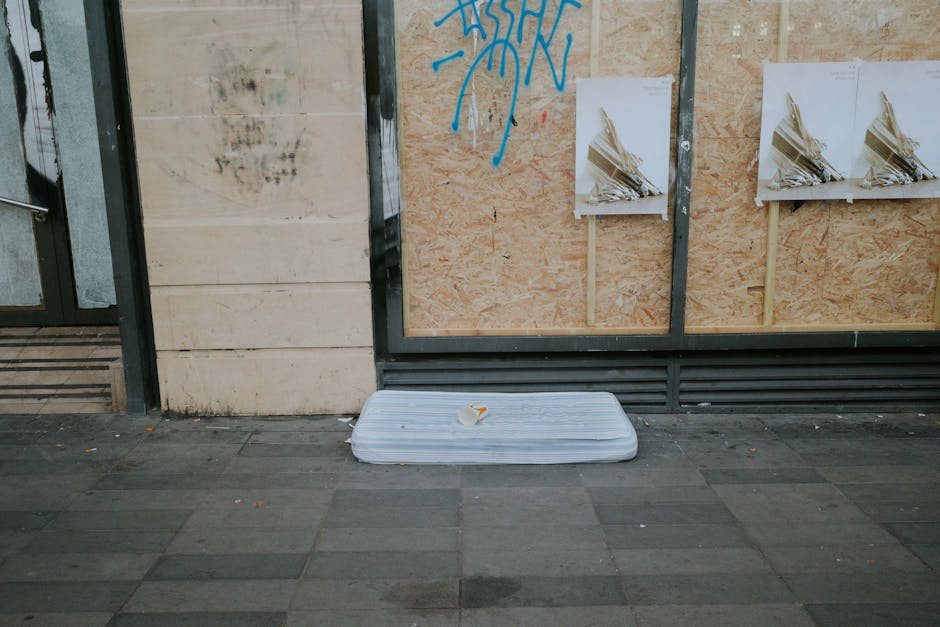
Then there's the practical side. A mattress left in a corridor or beside a bin store can become a nuisance quickly. It can block access, attract complaints, and create problems for building managers or neighbours. Nobody enjoys that awkward "whose mattress is this?" conversation. Better to sort it properly first time.
If you're using a professional clearance provider, it's worth checking their health and safety approach and their insurance and safety information. Those pages help you see how seriously they take safe handling, especially in shared residential or mixed-use buildings.
Expert summary: The safest mattress disposal method is the one that protects people, avoids damage to the building, and sends the item to the most responsible end route available. In Barbican, that usually means planning the move before you lift anything.
How How to dispose of mattresses in Barbican safely Works
At a basic level, mattress disposal works by moving the item from your home or storage area to an approved collection, reuse, or recycling route. The exact route depends on condition, access, and how quickly you need it gone. Some mattresses can be donated or reused if they're clean and in good condition. Others need disposal as bulky waste or through a licensed collection service.
In Barbican, access matters more than most people expect. Lifts, shared hallways, security doors, loading restrictions, and building rules can all affect how the mattress is removed. A single-bed mattress is awkward enough; a king-size mattress in a tight stairwell can feel like a small mission. If there's no lift, or if the mattress has to be turned repeatedly, safe handling becomes the priority.
Professionally, the process usually follows a few stages: assess the mattress, check access, confirm the collection method, move the mattress carefully, and ensure it is disposed of or processed responsibly. The more organised the preparation, the less likely anything goes wrong. Simple, really, though not always easy when you're doing it in a hurry on a Tuesday evening.
For readers comparing service providers, the pricing and quotes page can help you understand how costs are typically approached, while the recycling and sustainability page is useful if you want a stronger environmental outcome rather than just a quick collection.
Key Benefits and Practical Advantages
Doing mattress disposal properly is not just about getting rid of clutter. It brings a few very practical wins.
- Less physical strain: You avoid dragging a heavy, unwieldy item through tight space.
- Lower risk of damage: Corridors, walls, lifts, and doors are better protected.
- Cleaner shared areas: No lingering odour, dust, or unsightly abandoned item.
- Better recycling potential: A mattress handled correctly is more likely to be broken down into reusable materials.
- Less stress for residents: No surprise obstruction or awkward building complaints.
- More predictable timing: You know when it's leaving, instead of living with it for another month.
There is also a peace-of-mind factor people underestimate. Once the mattress is gone, the room instantly feels clearer. The smell of old fabric is gone, the spare room looks usable again, and the whole job no longer sits on your to-do list like a small brick. You feel it, oddly enough.
And if you're arranging a larger clear-out, mattress disposal can be folded into a broader collection. That is where services become more efficient, especially if you already have old furniture, bed frames, or packaging to remove at the same time.
Who This Is For and When It Makes Sense
This guidance is for anyone in Barbican who needs to remove one or more mattresses safely and without hassle. That includes flat owners, tenants, landlords, letting agents, building managers, and anyone clearing a room after a move. It also helps if you're replacing bedroom furniture and want the old mattress out before the new one arrives. Timing matters there. You do not want two mattresses in one room unless you're planning a very odd sleep experiment.
It makes sense to use a professional or structured collection method if:
- the mattress is too large or heavy to carry safely on your own;
- you live in a building with narrow access or shared entrances;
- you need the item removed quickly;
- the mattress is dirty, damaged, or infested and shouldn't be reused;
- you're clearing multiple items at once;
- you want disposal handled responsibly, with recycling in mind.
It may be less necessary if the mattress is small, clean, and you already have access to a legitimate council or reuse route. Even then, check the handling requirements first. The wrong lift technique or a late-night stair carry can turn a small job into a sore back and a chipped wall. Not worth it.
If you need an accessible service journey or have specific needs around communication and support, the site's accessibility statement is worth a look. It's a small detail, but for some people, it makes the process much easier.
Step-by-Step Guidance
Here's a straightforward way to handle mattress disposal without making life harder than it needs to be.
-
Check the mattress condition.
If it is clean, dry, and structurally sound, it may be suitable for reuse or donation. If it has stains, smells, broken springs, mould, or signs of pests, treat it as a disposal item rather than a reuse candidate.
-
Measure access before moving it.
Look at door widths, stair turns, lift size, and any tight corners. A mattress can look harmless until you try to angle it through a narrow landing. Barbican properties can be especially awkward if furniture has to pass through communal routes.
-
Protect floors and walls.
Use blankets, corrugated board, or sheets of protective material where needed. It takes a few extra minutes and saves a lot of regret. Hallway scuffs have a way of appearing precisely where everyone can see them.
-
Use proper lifting technique.
Keep the load controlled, avoid twisting, and ask for help if the item is bulky. A mattress may seem soft, but awkward weight distribution can make it harder to balance than a rigid object.
-
Choose the right disposal route.
Decide between reuse, local bulky waste options, or a professional clearance service. If the mattress is one item among several, a combined collection may be the simplest route.
-
Confirm any building or collection rules.
Some blocks have quiet hours, loading restrictions, or designated exit routes. If a service provider is involved, ask how they manage access and whether they are covered by appropriate safety processes.
-
Arrange final handover and disposal.
Once collected, make sure the item is taken to the intended destination and not left in a common area or hidden behind a bin store. It sounds obvious, but you'd be surprised how often a job half-finishes.
One useful habit: take a quick photo of the mattress before collection if you need a record of condition or the setup in case of a building query. Not glamorous, but handy.
Expert Tips for Better Results
A few small adjustments can make mattress disposal much safer and less annoying.
- Remove bedding and loose items first. It sounds basic, but blankets, protectors, and pillow toppers slow everything down.
- Bag or wrap damaged mattresses if needed. This can help control dust, loose fibres, or contamination during transport.
- Plan the route before the lift begins. Open doors, clear obstacles, and decide who is leading through any tight turn.
- Don't overestimate your own strength. A mattress is awkward, not elegant. Two people is often safer than one, even for smaller sizes.
- Keep timing sensible. Mornings often work better in residential blocks because corridors are calmer and access is less chaotic.
- Ask about recycling outcomes. If sustainability matters to you, check whether the provider prioritises recycling where possible.
One very practical insight: if you are replacing a mattress, arrange removal before delivery of the new one, or at least know exactly where both will sit temporarily. Nothing kills the mood of a bedroom refresh like two huge mattresses leaning around the flat. That gets old quickly.
If you want to understand how a provider approaches responsible handling, the recycling and sustainability information is a strong indicator of whether they care about more than just speed.
Common Mistakes to Avoid
Most mattress disposal problems are avoidable. Usually, they come from rushing.
- Leaving it in a communal area: This can create a nuisance, block access, and invite complaints.
- Dragging it without planning: That's how scratches, scuffs, and strained backs happen.
- Assuming it can be dumped anywhere: Mattress disposal should follow a proper route, not a shortcut.
- Ignoring cleanliness issues: A damaged or contaminated mattress may need special handling.
- Forgetting access restrictions: Lifts, stairs, and building rules can change the entire job.
- Not checking the provider's standards: A reputable service should be transparent about safety and handling.
Another common slip is booking a collection without checking whether the mattress needs to be on a certain floor, by a certain time, or outside the building. In a place like Barbican, where access can be particular, that detail matters more than people expect.
If you're comparing providers and want a clearer sense of service reliability, it's smart to look for visible policies such as health and safety policy details and payment and security information. Trust is built in the small print.
Tools, Resources and Recommendations
You do not need a lot of specialist gear to dispose of a mattress safely, but a few simple tools can help.
- Work gloves: Useful for grip and general handling.
- Protective blankets or covers: Helps prevent scuffs in shared areas.
- Strong tape or straps: Handy if the mattress needs securing for transport.
- Trolley or dolly: May help for ground-floor moves or building-friendly transport.
- Phone camera: Useful for documenting condition and access points.
- Measuring tape: Especially useful when lifts and doorways are tight.
As for resources, the most useful ones are usually the ones that help you understand the service before committing. That includes the company's pricing guidance, recycling approach, safety information, and customer support pages. For example, you can review the quote process before booking so there are no surprises later. Sensible, boring, good.
If the mattress is part of a larger clear-out, you may want to bundle the work. That can save time and reduce repeated handling. Fewer trips, fewer chances for something to go sideways.
Law, Compliance, Standards and Best Practice
Mattress disposal in the UK should be handled responsibly, with attention to duty of care, safe handling, and any applicable local requirements. I'm being careful here: exact rules can vary depending on the local authority, collection method, building management arrangements, and the condition of the item. If you are uncertain, check the relevant local guidance before moving anything.
Best practice generally means using a legitimate route that avoids fly-tipping, protects shared spaces, and keeps people safe. That is especially important in dense urban settings, where an abandoned mattress can become an eyesore very quickly. It can also become someone else's problem, which is not a great way to be remembered by your neighbours, frankly.
For commercial or managed-property settings, the service provider should be able to explain how they manage access, lifting, transport, insurance, and disposal. A transparent approach is more reassuring than vague promises. The provider's insurance and safety page and modern slavery statement may seem like background details, but they help signal a more responsible operation overall.
If you are a landlord, concierge, or building manager, it is also sensible to document the agreed collection slot and the exit route. That kind of basic paper trail can save a headache later if somebody asks, "Was that mattress supposed to be there?"
Options, Methods, or Comparison Table
There are several ways to deal with an old mattress. The right one depends on condition, urgency, access, and whether you care about reuse or recycling. Here's a plain-English comparison.
| Method | Best for | Advantages | Watch-outs |
|---|---|---|---|
| Reuse or donation | Clean, lightly used mattresses in good condition | Most environmentally friendly if accepted | Not suitable if stained, damaged, or unhygienic |
| Local bulky waste collection | Households with time to arrange disposal | Convenient if local service is available | May require booking and set-out rules |
| Professional clearance service | Bulky, awkward, or multiple items | Fast, safer, less physical strain | Costs vary depending on access and item count |
| Retailer take-back | When buying a replacement mattress | Convenient if offered at delivery | Terms vary and may not always be included |
For many Barbican residents, the professional route is the most predictable because access can be tricky and the mattress is usually not the only thing needing attention. If you've got an old bed frame too, the job becomes a lot simpler when it's handled in one go.
That said, if a mattress is genuinely reusable and in good condition, reuse should always be considered first. Waste reduction starts with that question: does this need to be thrown away at all?
Case Study or Real-World Example
Here's a realistic example. A resident in Barbican is replacing a double mattress after years of use. The mattress is clean but bulky, and the flat sits up several floors with shared lift access. The resident first measures the lift opening and hallway turns, then checks whether building access is free early in the morning. Good start already.
They realise the old mattress is too awkward to carry alone and would be difficult to turn through the corridor without scuffing the walls. Rather than trying to force the move, they book a collection with a provider that can handle safe removal and responsible disposal. On the day, the mattress is moved with minimal disruption, the route is protected, and the resident avoids having a partly-leaning mattress in the hallway for three days. Which, to be fair, is the sort of thing that tends to spiral.
The useful lesson here is simple: when access is the challenge, planning matters more than muscle. A little preparation saves time, avoids complaints, and makes the whole job feel calmer. And calmer is good.
Practical Checklist
Use this before you arrange disposal or move the mattress yourself.
- Check whether the mattress can be reused or donated.
- Inspect for stains, damage, odour, mould, or pest issues.
- Measure doorways, stairs, and lift access.
- Confirm building rules, access times, and any exit restrictions.
- Protect communal floors and walls if the mattress will pass through shared spaces.
- Choose a disposal route that suits the condition and urgency.
- Ask the provider about safety, insurance, and recycling practices.
- Arrange collection before the old mattress blocks the space you need.
- Keep children and pets away from the route during removal.
- Make sure the item is handed over to the agreed collection route, not left behind.
If you can tick those off, you're already ahead of most rushed removals. Small victories, but they count.
Get a free quote today and see how much you can save.
Conclusion
Disposing of a mattress safely in Barbican is mostly about planning, care, and choosing the right route for the situation. Once you think about access, condition, and how the item should be handled afterwards, the decision becomes much clearer. A clean mattress might be suitable for reuse. An awkward or damaged one is usually better handled through a proper collection service. Either way, the goal is the same: get it out safely, without damage, stress, or messy shortcuts.
If you want a process that feels calm rather than chaotic, prioritise safe lifting, responsible disposal, and a provider who is transparent about their approach. That's the difference between a quick fix and a proper solution. And honestly, a proper solution is what most people want in the end.
When you're ready, choose the option that makes the room feel lighter, the building stay tidy, and your next step feel easy. That little moment when the mattress is gone and the space opens up again? It's oddly satisfying.
Frequently Asked Questions
What is the safest way to dispose of a mattress in Barbican?
The safest option is usually a planned collection route that matches the mattress condition and your building access. If the mattress is clean and reusable, consider reuse first. If it is bulky, damaged, or difficult to move, a professional clearance service is often the safest approach.
Can I leave an old mattress outside my building for collection?
Only if your local collection arrangement or building rules clearly allow it. In shared residential areas, leaving a mattress in a corridor, lobby, or outside a block without permission can cause access problems and complaints. Check the collection instructions first.
Are mattresses recyclable?
Many mattresses contain materials that can be separated and recycled, such as metal springs, foam, and textiles. Recycling depends on the condition of the mattress and the facilities available through the collection route. It is worth asking the provider how they handle recovered materials.
How do I know if a mattress can be donated?
A mattress should usually be clean, dry, structurally sound, and free from odours, stains, mould, or pest issues before donation is considered. If you would not want to sleep on it yourself, that is a decent reality check. When in doubt, treat it as waste rather than reuse.
What should I do if the mattress has bed bugs or mould?
Do not try to pass it on for reuse. Damaged or contaminated mattresses should be handled carefully and disposed of through an appropriate route. Bagging or wrapping may be helpful for transport, but follow the guidance of the collection provider.
How much does mattress disposal cost in Barbican?
Costs vary depending on the size of the mattress, access, and whether you're disposing of other items too. If you want a clearer picture, review the provider's pricing and quotes information before booking. It helps avoid surprises.
Do I need to remove the bed frame as well?
No, not necessarily. But if the bed frame is old or no longer needed, removing both at the same time can be more efficient. Many people choose to clear the full set together, especially during a room refresh or move.
What if I live in a flat with a very tight lift or staircase?
That is exactly when planning becomes essential. Measure access before moving anything and consider whether a two-person lift or professional removal would be safer. Barbican properties can be straightforward one day and awkward the next, depending on the route.
Is it okay to cut up a mattress myself?
It is usually not the best idea unless you know what you are doing and have the right tools and safety precautions. Mattresses contain mixed materials, and cutting them can create mess, dust, and sharp components. In most cases, a proper collection is easier and safer.
How quickly can a mattress be collected?
That depends on the service and your access requirements. Some collections can be arranged quickly, while others need more notice, especially if there are multiple items or building access rules. If timing matters, ask about availability when requesting a quote.
What documents or policies should I check before booking a service?
Look at safety, insurance, pricing, payment, and complaints information so you know what to expect. The most relevant pages on this site include the health and safety policy, insurance and safety, and payment and security pages.
What if I'm unhappy with how a collection was handled?
Any reputable provider should have a clear process for resolving issues. It's sensible to review the complaints procedure in advance so you know how concerns are handled if something goes wrong.
Can mattress disposal be arranged as part of a larger clear-out?
Yes, and that is often the most efficient option. If you have furniture, office items, or general clutter to remove at the same time, combining the job can save time and reduce repeated lifting. It also means fewer disruptions to your day, which is never a bad thing.
Why does safety matter so much for one mattress?
Because mattress removal involves awkward weight, tight spaces, shared access, and possible damage to walls or floors. One item can still create a lot of trouble if it is handled badly. A calm, planned approach keeps the job simple and protects everyone involved.