Defoe House Same Day Rubbish Pickup for Flats
If you need Defoe House same day rubbish pickup for flats, chances are you are dealing with a pile that has become annoying very quickly. Maybe it is a sofa blocking the hallway, a few heavy bags after a flat clear-out, or a bit of builder's debris that simply cannot sit there until next week. In a shared building, that kind of rubbish is not just inconvenient. It can get in the way of neighbours, create fire safety worries, and make the whole place feel cramped and untidy. Truth be told, when waste starts to pile up in a flat, it rarely waits politely.
This guide explains how same day rubbish pickup works in a flat setting, what to expect, when it makes sense, and how to avoid the common mistakes that slow everything down. You will also find practical tips for access, building rules, recycling, and compliance, so you can make a sensible decision without the usual stress.
One small but important note: flats are not like houses. Shared entrances, lifts, parking limits, concierge rules, and stair-only access all change the job. That is where a well-planned same day collection really helps.
Table of Contents
- Why Defoe House same day rubbish pickup for flats Matters
- How Defoe House same day rubbish pickup for flats Works
- Key Benefits and Practical Advantages
- Who This Is For and When It Makes Sense
- Step-by-Step Guidance
- Expert Tips for Better Results
- Common Mistakes to Avoid
- Tools, Resources and Recommendations
- Law, Compliance, Standards, or Best Practice
- Options, Methods, or Comparison Table
- Case Study or Real-World Example
- Practical Checklist
- Conclusion
- Frequently Asked Questions
Why Defoe House same day rubbish pickup for flats Matters
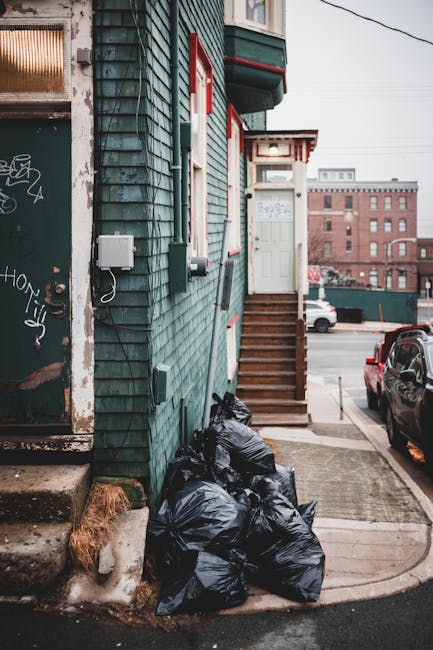
In a flat, rubbish is never just your problem alone. That is the big difference. Waste left in a hallway, lift lobby, balcony, or shared bin store can affect neighbours straight away. It can create odours, attract pests, block access, and make the building look poorly kept. In some cases, it can even cause friction with managing agents or concierge teams, which nobody needs on a busy day.
Same day pickup matters because flat clearances often arise suddenly. A tenant moves out. A new sofa arrives and the old one has to go. A refurb runs behind schedule and rubble is sitting near the front door. Or maybe the bin room is full because everyone in the block had a delivery-heavy week. Let's face it, city living has a way of compressing problems into a very small space.
For residents at Defoe House, speed is only part of the story. A good collection also needs to be quiet, tidy, and respectful of shared access. That means planning the route from flat to van, protecting walls and lifts where needed, and keeping disruption low. A rushed job that leaves dust in the corridor is not really a win.
There is another reason it matters: compliance. In a shared residential building, waste should be handled responsibly, and bulky items should not be dumped near communal areas unless building rules explicitly allow it. The safest approach is to arrange a pickup that removes everything properly in one go.
How Defoe House same day rubbish pickup for flats Works
Same day rubbish pickup for flats usually follows a fairly simple process, although the details matter. First, you explain what needs to go. That might include black bags, furniture, broken household items, boxes, mattress disposal, or mixed waste from a small flat clearance. The clearer you are at the start, the smoother the day tends to be.
Next, the team checks access. For flats, this is often the deciding factor. Can a van stop nearby? Is there lift access? Is there a loading bay? Are there time restrictions for parking or entry? A good collection service will ask these questions early, because a building like Defoe House can be very different from a ground-floor property. In practical terms, a two-minute access conversation can save half an hour later.
Then comes the loading itself. Items should be removed from inside the flat or from an agreed point, depending on building rules and the level of service arranged. The best teams work carefully through communal areas, which matters when there are narrow corridors, busy entrance points, or neighbours coming and going with shopping bags and prams.
After collection, the waste is sorted for reuse, recycling, and disposal. If the provider is properly run, reusable items may be separated where possible and recyclable material diverted away from landfill where facilities allow. You may not see that part happen, but it is one of the most important steps behind the scenes.
Same day does not mean chaotic. Done properly, it means efficient, organised, and respectful. And in a building with shared spaces, that combination is what you actually want.
Key Benefits and Practical Advantages
There are obvious benefits, of course. The rubbish disappears quickly. Your flat feels clearer. The corridor is no longer cluttered. But the practical advantages go a bit further than that.
- Fast relief from clutter: Useful when rubbish is blocking access or making the flat hard to live in.
- Better neighbour relations: A prompt pickup reduces complaints about smells, mess, or obstruction in shared areas.
- Safer communal spaces: Less loose waste means fewer trip hazards and less fire risk around exits and corridors.
- Less stress on moving day: Ideal when you need to hand back keys, complete a sale, or prepare for new tenants.
- Flexible for mixed loads: A good same day service can deal with furniture, general rubbish, bagged waste, and light bulky items.
- More convenient than self-haul: No repeated trips to a disposal site, no struggling with a mattress in a lift, no wrestling with the boot of your car.
There is also a time-saving benefit that people underestimate. One same day collection can often replace hours of sorting, carrying, parking, and queueing elsewhere. For busy residents, that is worth a lot. Maybe not glamorous, but very real.
Expert summary: If you live in a flat, the best same day rubbish pickup is the one that combines speed with building-aware access planning, careful handling, and responsible disposal. Fast is good. Fast plus tidy is better.
Who This Is For and When It Makes Sense
Same day rubbish pickup for flats is useful for a surprisingly wide range of situations. It is not just for emergency clear-outs. In fact, a lot of people use it for very ordinary, very practical reasons.
It makes sense if you are:
- moving out of a flat and need to clear unwanted items quickly
- replacing furniture and need the old pieces gone the same day
- dealing with post-renovation rubbish or packaging
- managing a landlord changeover or end-of-tenancy clean-up
- living in a high-rise or managed block with limited bin capacity
- helping a relative clear a flat after a long period of accumulation
- trying to avoid shared bin rooms becoming overloaded
It also makes sense when timing is tight. Perhaps the lift booking is only available for a short slot. Perhaps contractors are arriving later in the day. Or perhaps the concierge can only give access between certain hours. In those situations, waiting three or four days may create more problems than it solves.
To be fair, not every load needs urgent collection. If you have a small bag of unwanted items and no access pressure, a standard pickup may be enough. But if the waste is affecting your day right now, same day service is a sensible choice rather than a luxury.
Step-by-Step Guidance
If you want the process to go smoothly, it helps to think like the crew for a minute. What do they need to know before they arrive? What could go wrong in a flat building? What would save time? Here is the cleanest way to approach it.
- Identify the waste clearly. Make a rough list: bags, furniture, boxes, appliances, mattress, builders' waste, or mixed items. If you can separate recyclable material or especially heavy items, even better.
- Check building rules. Some blocks have strict lift booking times, loading restrictions, or rules about moving bulky items through communal areas. If there is a concierge, let them know.
- Measure access points. Lifts, doorways, stairwells, parking spaces, and turning areas all matter. An item may fit in the flat but not the lift. That happens more often than people expect.
- Book the collection early in the day. Same day means same day, but earlier contact gives more flexibility. If you call at lunchtime, you may have more options than if you call late afternoon.
- Prepare the waste near the exit if allowed. Only do this if it does not breach building rules or create obstruction. Keep corridors clear. Safety first, always.
- Protect shared areas. If items are awkward or dusty, put down a covering or plan a careful route. A little care avoids scuffed walls and awkward apologies later.
- Confirm what is accepted. Some services handle a broad mix of waste; others exclude certain materials. Ask before the van arrives, not after.
- Check final disposal details. If reuse or recycling is important to you, ask how mixed loads are separated. It is a fair question.
A good result usually comes down to this: clear information in, smooth collection out. Simple on paper, yes. But that simple bit is where the win is.
Expert Tips for Better Results
After plenty of flat collections, a few patterns become obvious. The jobs that go smoothly are rarely lucky. They are planned just enough.
Tip 1: Send photos if asked. A couple of clear pictures can be more useful than a long description. A sofa in a narrow hallway tells a very different story from a sofa already outside the flat.
Tip 2: Group items by room or type. This helps the team assess load size quickly. It also makes it easier to separate reusable items from true waste.
Tip 3: Keep the route clear. Shoes by the door, a bike in the hall, recycling stacked in the wrong spot. Small things slow everything down. Not dramatic, just annoying.
Tip 4: Ask about lift protection if the load is awkward. In some buildings, protecting the lift or walls may be sensible. If there is no need, fine. If there is, better to ask.
Tip 5: Watch timing around neighbours. Early mornings and late evenings can be sensitive in apartment buildings. A daytime slot often feels calmer for everyone.
Tip 6: Be honest about quantity. Underestimating waste is common. People often say "a few bags" and then point to three chairs, a shelf unit, and a disassembled bed. Happens all the time.
Tip 7: Keep documents or valuables separate. Flat clearances sometimes uncover paperwork, chargers, or sentimental things tucked into drawers. Give yourself a moment to check before items leave.
If you are unsure whether something counts as rubbish, ask. A quick question now can prevent a costly mistake later.
Common Mistakes to Avoid
Most collection problems are preventable. The frustrating part is that they usually start with tiny oversights, not big disasters.
- Leaving waste in a communal area without permission. This can create complaints and may breach building rules.
- Forgetting to mention stairs, no-parking zones, or broken lifts. Access surprises slow everything down and can change the price or timing.
- Mixing prohibited items with normal rubbish. Some materials need special handling, so do not assume everything is accepted together.
- Booking too late in the day for a genuine same day slot. Same day is possible, but it is not magic.
- Failing to separate reusable furniture. A usable chair or table can sometimes be handled differently from general waste.
- Choosing only on price. The cheapest option is not always the best in a flat, especially if access is awkward or the service is rushed.
One subtle mistake is not telling the team how the building works. A resident might say, "Just come round," but forget there is no loading bay and the lift is currently restricted. That little omission can cause a lot of faff.
Also, be careful not to overfill communal bins before collection day. In shared buildings, that tends to create the wrong sort of attention.
Tools, Resources and Recommendations
You do not need much equipment for a flat rubbish pickup, but a few simple tools can make the job easier and safer.
| Tool or Resource | Why It Helps | Best For |
|---|---|---|
| Furniture sliders | Help move heavy items without dragging | Sofas, cabinets, beds |
| Heavy-duty bin bags | Keep bagged waste secure and easier to load | General rubbish, soft contents, small clear-outs |
| Gloves | Protect hands from dust, sharp edges, and grime | Any pre-sorting or packing |
| Measuring tape | Confirms whether items fit through doors or lifts | High-rise flats, narrow hallways |
| Phone camera | Useful for photos and quick item checks | Quotes, access checks, insurance notes |
| Building access notes | Helps avoid confusion on arrival | Concierge sites, managed blocks, restricted entry |
If you are clearing more than a few items, a short written inventory is surprisingly useful. Nothing fancy. Just a simple list with rough item sizes. It keeps everybody honest and reduces awkward back-and-forth.
For bigger flat clear-outs, related services such as flat clearance and waste removal may be more suitable than a basic ad hoc pickup. If your waste includes old furniture, the pages for furniture clearance and furniture disposal can also be helpful when deciding what to do next.
Where the waste is linked to a small refurb, a look at builders waste clearance may be relevant too. Different jobs, different handling. That distinction matters more than people think.
Law, Compliance, Standards, or Best Practice
Waste collection in a flat should always be handled with care and in line with good UK practice. You do not need to be an expert in environmental law to make a sensible choice, but a few principles matter.
First, waste should not be fly-tipped or left in a communal area as a shortcut. That creates risk for residents and can lead to complaints or enforcement issues. Second, bulky waste should be carried and loaded safely. Shared stairwells, lifts, and entrances are not the place for reckless lifting or blocked exits. Third, if a provider handles waste professionally, they should have appropriate procedures for sorting, transport, and disposal.
It is also wise to think about insurance and safety. A flat collection may involve awkward lifting, tight corners, and public-facing access points. That is why providers should be able to explain how they manage accidents, damage, and safe working practices. You are entitled to ask. In fact, you probably should.
Best practice usually includes:
- careful pre-checks for access and item size
- safe manual handling for heavy or bulky pieces
- respect for building rules and quiet operation where possible
- separation of recyclable and reusable material when practical
- clear communication about any restricted items
For residents and landlords alike, the safest route is to use a service that understands the realities of flats rather than treating them like ordinary ground-floor jobs. If you want to read more about operational standards and responsible handling, the site's health and safety policy, insurance and safety, and recycling and sustainability pages are useful references.
Options, Methods, or Comparison Table
When you need rubbish gone from a flat, you usually have three practical options. Each one has its place.
| Option | Best For | Pros | Cons |
|---|---|---|---|
| Same day pickup | Urgent or awkward flat clear-outs | Fast, convenient, reduces clutter quickly | May cost more than a planned booking |
| Scheduled collection | Non-urgent waste with flexible timing | More planning time, often easier to organise | Not ideal if waste is causing immediate disruption |
| Self-haul to a facility | Small loads and people with transport access | Can be cost-effective for some loads | Time-consuming, physically demanding, awkward for flats |
For many flat residents, same day collection is the sweet spot when timing is tight. A scheduled pickup can work well too, especially if you have days to prepare. Self-haul sounds simple until you are trying to carry a wardrobe down a stairwell and find somewhere to park. At that point, it is less appealing.
There is no single best method. The right choice depends on access, volume, urgency, and the type of waste involved.
Case Study or Real-World Example
Here is a realistic example based on a typical flat clearance situation.
A resident in a managed block needed a small collection the same day after replacing bedroom furniture. The old bed base, mattress, bedside table, and several bags of packaging were all sitting in the flat by mid-morning. The lift booking was only available in the early afternoon, and the corridor could not be blocked for long because neighbours were using the building throughout the day.
The solution was simple but careful. The resident confirmed item sizes, shared access details, and kept the hallway clear before the team arrived. The collection was completed in one visit, with the bulky items removed first and the smaller waste sorted in one final sweep. No drama. No blocked entrance. No awkward "sorry, we didn't realise" moment.
The useful lesson here is not that every collection is identical. It is that a bit of planning makes same day removal feel calm rather than rushed. The building stayed tidy, the resident got the flat back in order, and everyone got on with the day. Which, in a shared block, is really the goal.
Practical Checklist
Use this quick checklist before your pickup arrives:
- Confirm what items need removing
- Check lift, stair, and parking access
- Tell the building manager or concierge if needed
- Measure large items if space is tight
- Keep communal routes clear
- Separate valuables, documents, and anything you want to keep
- Ask whether recyclable items will be sorted separately
- Make sure prohibited items are identified in advance
- Have payment and contact details ready if required
- Do a final walkthrough of the flat and storage spaces
If you can tick most of those off, the collection is much more likely to run smoothly. Nothing fancy. Just practical housekeeping.
Conclusion
Defoe House same day rubbish pickup for flats is really about more than speed. It is about clearing waste in a way that respects shared spaces, avoids disruption, and gets your flat back to a usable state without fuss. For people living in apartments, that combination matters. A lot.
Whether you are moving out, clearing bulky furniture, or trying to restore order after a busy week, the best approach is clear communication, realistic planning, and a service that understands flat access. If you keep the building rules in mind and prepare the load sensibly, same day collection can feel surprisingly straightforward.
And once the hallway is clear and the flat feels open again, the difference is immediate. The place breathes a bit easier. So do you.
Get a free quote today and see how much you can save.
Frequently Asked Questions
What counts as same day rubbish pickup for flats?
It usually means waste collection arranged and completed on the same calendar day, subject to availability and access. In flats, that often includes bulky items, bagged rubbish, furniture, and mixed household waste if it can be loaded safely and within building rules.
Can rubbish be collected from inside a flat?
Often yes, but it depends on the service you book and the building's access arrangements. Some collections are from the kerb or building entrance, while others include removal from inside the property. It is best to confirm this before booking so there are no surprises.
Is same day pickup suitable for high-rise flats?
Yes, provided access is workable. High-rise jobs just need more planning around lifts, parking, concierge entry, and timing. If a lift is small or busy, the collection may take longer, so accurate information upfront really helps.
What types of rubbish are usually accepted?
Most general household rubbish, furniture, bagged waste, and many bulky items are commonly accepted. Some materials may need special handling, so it is important to ask about anything unusual, heavy, sharp, or potentially restricted.
How do I prepare for a flat rubbish collection?
Make a clear list of items, check access, keep communal areas clear, and separate anything you want to keep. If possible, group items by room or type. That makes the job quicker and reduces the chance of something useful being taken by mistake.
Will I need to move the items outside myself?
Not always. Some services will remove waste from inside the flat, while others collect from a ground-floor or agreed point. The right answer depends on the provider and the building rules, so it is worth clarifying in advance.
Is same day rubbish pickup more expensive?
It can be, because the service is prioritised and needs to fit into a tighter schedule. That said, the overall value may still be better if you avoid lost time, extra transport, or a second trip. The cheapest option is not always the cheapest in practice.
Can I mix furniture and general rubbish together?
Usually yes, though it depends on the collection service and the type of materials involved. Mixed loads are common in flat clear-outs. If items are especially large, dirty, or contain non-standard materials, mention them when booking.
What if my building has strict access rules?
Then you need to share those rules before the team arrives. Things like loading times, lift bookings, concierge procedures, and parking limits can affect the collection. A provider who understands flats should work with those limits rather than ignore them.
Should I choose a same day service or a scheduled one?
If the rubbish is causing immediate problems, same day is usually the better call. If the waste can wait and you want more planning time, a scheduled collection may be enough. The best choice depends on urgency, access, and how much disruption the waste is creating.
How do I avoid problems with neighbours during collection?
Keep shared spaces clear, stick to reasonable hours, and let the building know if needed. A tidy, well-timed collection tends to stay under the radar in the best possible way. In a flat, that is a good outcome.
What should I do with items that might be reusable?
Set them aside if possible and mention them before collection. Reusable furniture or household items may be suitable for separate handling rather than standard disposal. It is a small step, but it can make the whole process more efficient and a bit more responsible too.